
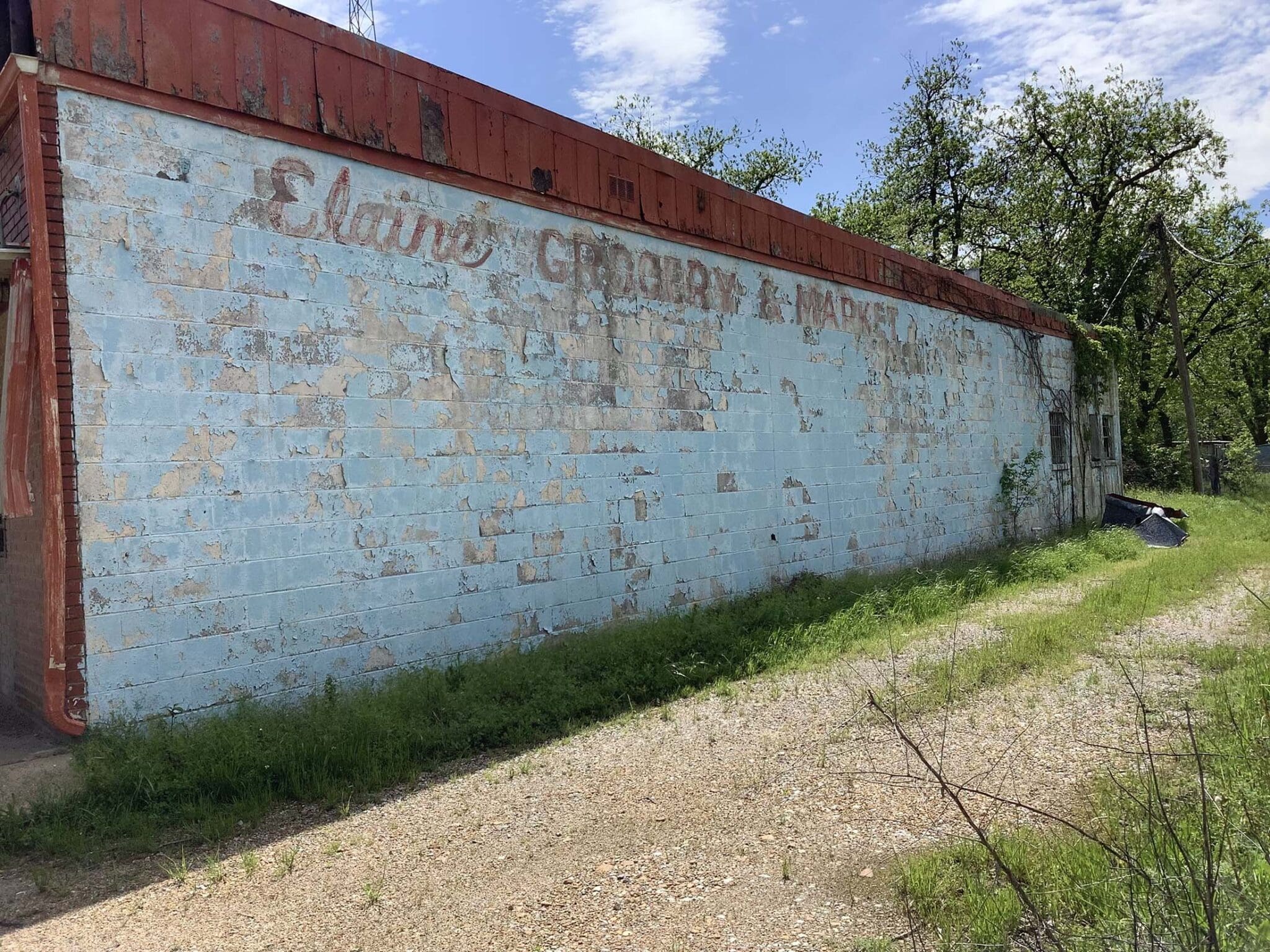
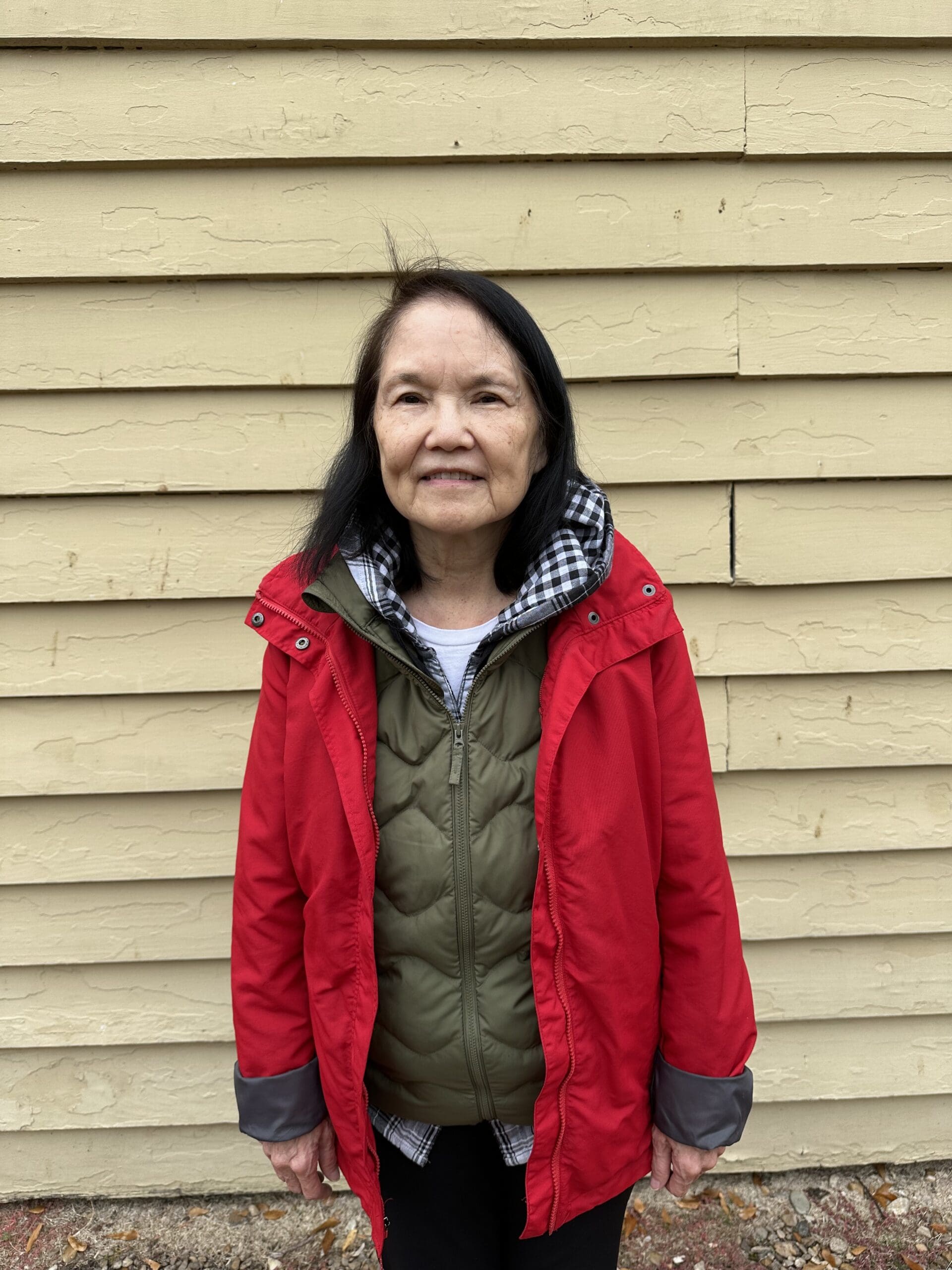
Lavonda Joe’s childhood in Elaine, Arkansas, was shaped by the constant hum of her family’s grocery store—always bustling with activity and hard work. Her father Lee Fong, who came to America during WWII while serving in the military, owned farmland and multiple businesses. From a young age, she and her siblings were tasked with stocking shelves, rotating goods, and keeping everything spotless—proms and school events often took a backseat to the store’s demands. But, regardless, Lavonda fondly remembers picking and chopping cotton on the farm and riding bikes around the small town of Elaine.
Race played a unique role in the running of small-town Arkansas. During a time of racial segregation, Lavonda attended the local white school, but most of their customers were Black. Her father also employed a Spanish couple who became like a second family to her, highlighting how intertwined the community was, despite the era’s divisions.
When her father’s eyesight began to fail, the store had to close, and life shifted for Lavonda. After losing her mother and spending time with relatives while her father returned to China to remarry, she eventually moved to Memphis for college. There, she met and married Stuart Joe. Together, they ran a buffet called Chopsticks for 12 years, blending American and Chinese cuisine in popular dishes like “Chicken Delight,” homemade egg rolls, and almond cookies—a reflection of the dual cultures that shaped her life.
Lavonda never learned Cantonese, as her father’s long hours at the store left little time for teaching his children the language. Still, he instilled in her a strong sense of tradition rooted in Chinese culture. To this day, she values her heritage, seeing it as a foundation of her identity, even as newer generations move toward different lifestyles. For Lavonda, her upbringing and experiences remain deeply woven into the person she has become, a reflection of her father’s legacy and her own journey through life’s challenges.
Story by Kayla Evans–Kennard